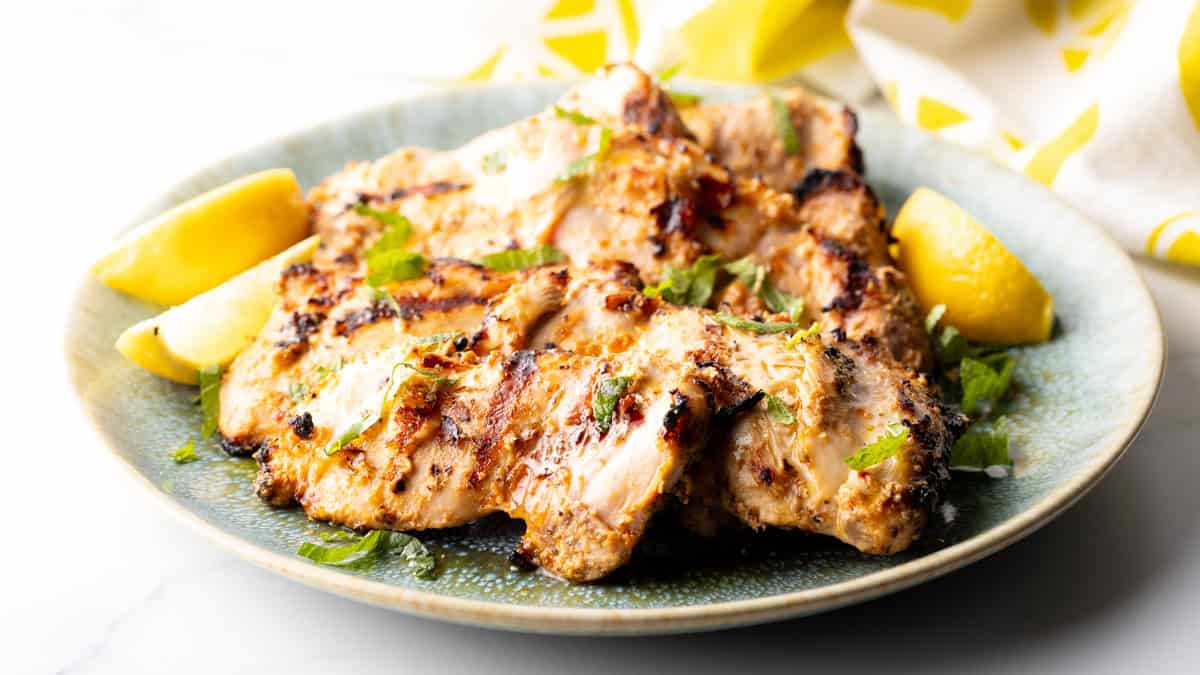
Greek Yogurt vs. Lemon: The Superior Marinade for Tender Chicken
The quest for perfectly tender, irresistibly juicy, and deeply flavorful chicken is a culinary journey many home cooks embark on. Often, the path leads to a marinade – a flavorful bath designed to transform ordinary chicken into an extraordinary meal. While lemon juice and vinegar have long been go-to acidic bases for marinades, a rising star in the culinary world is challenging their dominance: Greek yogurt chicken marinade. But when it comes to achieving truly superior results, which contender takes the crown? Let's delve into the science and art of marinading to discover why Greek yogurt is often the unsung hero that delivers unparalleled tenderness and flavor.
The Culinary Magic of Greek Yogurt: Beyond Simple Acidity
Many cooks reach for lemon or vinegar with the understanding that acid helps tenderize meat. While true, not all acids are created equal, and this is where Greek yogurt truly shines. Lemon juice, with its high concentration of citric acid, is a powerful tenderizer. However, its aggressive nature can be a double-edged sword. Over-marinate chicken in a lemon-only bath, and you risk the proteins denaturing too quickly and too much, resulting in a rubbery, dry, or even mushy texture. The acid essentially "cooks" the surface of the meat, squeezing out moisture before it even hits the heat.
Enter the Greek yogurt chicken marinade, a game-changer that leverages a more sophisticated approach to tenderization. The secret lies in its unique composition:
- Milder Lactic Acid: Greek yogurt contains lactic acid, which is significantly milder than citric or acetic acid. This gentle acidity delicately unravels the protein strands in the chicken meat, breaking them down without causing them to seize up. The result is chicken that's incredibly tender, yet still retains its structural integrity and, crucially, its moisture. This forgiving nature means you can marinate chicken for longer periods without fear of the dreaded rubbery outcome.
- Enzymatic Action: Beyond lactic acid, Greek yogurt also contains enzymes. These natural enzymes work synergistically with the acid to further break down proteins, contributing to that impossibly tender texture. This two-pronged attack ensures deep tenderization from the outside in.
- Creamy, Protective Coating: Unlike thin, watery lemon-based marinades, the thick, creamy consistency of whole milk Greek yogurt forms a protective, flavor-packed coating around every inch of the chicken. This layer acts as a barrier during cooking, helping to lock in moisture and prevent the chicken from drying out under high heat. It's like a built-in basting agent that works continuously.
- Superior Flavor Adhesion: Think of Greek yogurt as a natural "flavor glue." Its thick texture ensures that every herb, spice, and aromatic – from bright lemon zest and fresh garlic to earthy cumin and oregano – clings tightly to the chicken. This means every bite is bursting with a complex, well-distributed flavor profile that thin, runny marinades simply can't match. It’s a delivery system that elevates the entire dish, ensuring a consistently flavorful experience.
Crafting the Perfect Greek Yogurt Chicken Marinade: Key Ingredients & Their Roles
A truly exceptional greek yogurt chicken marinade isn't just about the yogurt; it's a symphony of thoughtfully chosen ingredients, each playing a vital role. Understanding their purpose allows for customization and ensures maximum flavor and tenderness.
- Whole Milk Greek Yogurt: The Star Tenderizer and Moisture Locker
The foundation of our marinade. Whole milk Greek yogurt provides the ideal fat content, richness, and thickness. The fat contributes to moisture and helps carry fat-soluble flavors, while its viscosity creates that essential protective coating. While low-fat varieties can be used, they may yield slightly less succulent results due to lower fat content and a thinner consistency. - Lemon Zest & Juice: The Bright Flavor Dynamic Duo
While not the primary tenderizer here, lemon still plays a crucial role for flavor. The zest is packed with potent aromatic oils, offering a complex, sunny citrus note without adding excessive liquid. A touch of lemon juice provides a bright, tangy acidity that complements the creamy yogurt and enhances the overall flavor profile. This combination offers a more nuanced citrus burst than juice alone. - Olive Oil: Flavor Carrier and Browning Agent
Good quality extra virgin olive oil adds richness, helps to emulsify the marinade, and acts as a carrier for fat-soluble flavors from herbs and spices. Furthermore, it aids in achieving beautiful golden-brown caramelization on the chicken during cooking, contributing to both taste and visual appeal. - Aromatics & Herbs: The Heart of the Flavor Profile
- Fresh Minced Garlic: Non-negotiable for its pungent, savory depth. Fresh is always best for vibrant flavor.
- Fresh Italian Parsley: Provides a fresh, herbaceous counterpoint, adding brightness and a pop of color.
- Dried Oregano: Delivers classic Mediterranean earthy, slightly peppery notes, essential for that authentic Greek-inspired taste.
- Onion Powder: Offers a quick hit of savory, umami flavor without the texture of fresh onion, ensuring smooth marinade consistency.
- Spices: Adding Warmth, Depth, and Color
- Ground Cumin: Brings a warm, earthy, slightly smoky depth that pairs wonderfully with chicken.
- Paprika (Sweet or Smoked): Adds a lovely reddish hue, a subtle sweetness, and if smoked, an extra layer of savory complexity.
- Salt & Pepper: The Essential Seasoning Foundation
Kosher salt is critical for seasoning the chicken deeply from within, enhancing all other flavors. Freshly ground black pepper adds a mild, pungent kick. Ensure adequate seasoning for the best results.
To truly understand the scientific brilliance behind this approach, explore why Greek yogurt is a culinary marvel in Unlock Juicy Chicken: How Greek Yogurt Marinade Works Culinary Magic.
Beyond the Bowl: Marinating & Cooking Methods for Success
Once you've expertly mixed your greek yogurt chicken marinade, the journey to tender, flavorful chicken isn't over. Proper marinating time and cooking techniques are crucial for maximizing its potential.
Optimal Marinating Time:
- Minimum: 30 minutes. This is enough for the chicken to start absorbing some surface flavor, but not enough for significant tenderization.
- Recommended: 2-4 hours. This timeframe allows the lactic acid and enzymes to work their magic, resulting in noticeable tenderization and deeper flavor penetration.
- Maximum: Up to 24 hours. Thanks to Greek yogurt's forgiving nature, you can marinate chicken overnight for the deepest flavor and most tender results without fear of it becoming mushy or tough, unlike more acidic lemon-based marinades. Always marinate in the refrigerator for food safety.
Cooking Versatility:
The beauty of a Greek yogurt-marinated chicken is its adaptability to various cooking methods, each yielding delicious results:
- Grilling: Preheat your grill to medium-high. Lightly oil the grates to prevent sticking. Grill chicken until beautifully charred and cooked through (165°F internal temperature). The marinade helps create a fantastic crust while keeping the interior moist.
- Baking: Preheat oven to 400°F (200°C). Place marinated chicken on a baking sheet. Bake for 20-30 minutes, or until cooked through. The yogurt coating helps prevent drying and promotes even browning.
- Pan-Searing/Stove-top: Heat a cast-iron skillet or heavy-bottomed pan over medium-high heat with a little oil. Sear chicken for 4-6 minutes per side until golden brown and cooked to temperature. This method delivers a fantastic crust.
- Air Frying: A modern and efficient way to get crispy results. Cook at 375°F (190°C) for 15-20 minutes, flipping halfway, until golden and cooked through.
Regardless of the method, always ensure your chicken reaches an internal temperature of 165°F (74°C) using a meat thermometer. After cooking, allow the chicken to rest for 5-10 minutes before slicing. This crucial step allows the juices to redistribute, ensuring every bite is succulent.
For a comprehensive guide to mastering this marinade and turning it into your mealtime staple, check out Your Go-To Greek Yogurt Chicken Marinade for Flavorful & Tender Meals.
Common Pitfalls to Avoid:
- Not Patting Chicken Dry (Before Marinating): While the marinade adds moisture, lightly patting chicken dry initially helps the marinade adhere better to the surface.
- Overcrowding the Pan/Grill: This lowers the cooking surface temperature, leading to steaming instead of searing or browning. Cook in batches if necessary.
- Skipping the Rest: Resist the urge to cut into the chicken immediately after cooking. Resting is essential for juicy results.
- Using Low-Quality Yogurt: Opt for full-fat, plain Greek yogurt without added sugars or flavors for the best texture and tenderizing power.
Conclusion
While lemon juice certainly has its place in the kitchen, when it comes to creating truly tender, deeply flavorful, and consistently juicy chicken, the greek yogurt chicken marinade stands as the superior choice. Its balanced acidity, enzymatic action, and creamy texture work in harmony to tenderize without compromising moisture, creating a protective barrier, and acting as an unrivaled flavor delivery system. If you're tired of dry chicken and seeking a marinade that guarantees success every time, it's time to swap your lemon for Greek yogurt. Prepare to transform your chicken dinners into succulent, memorable culinary experiences that will have everyone asking for your secret.
